The quick answer before you pack for Plymouth
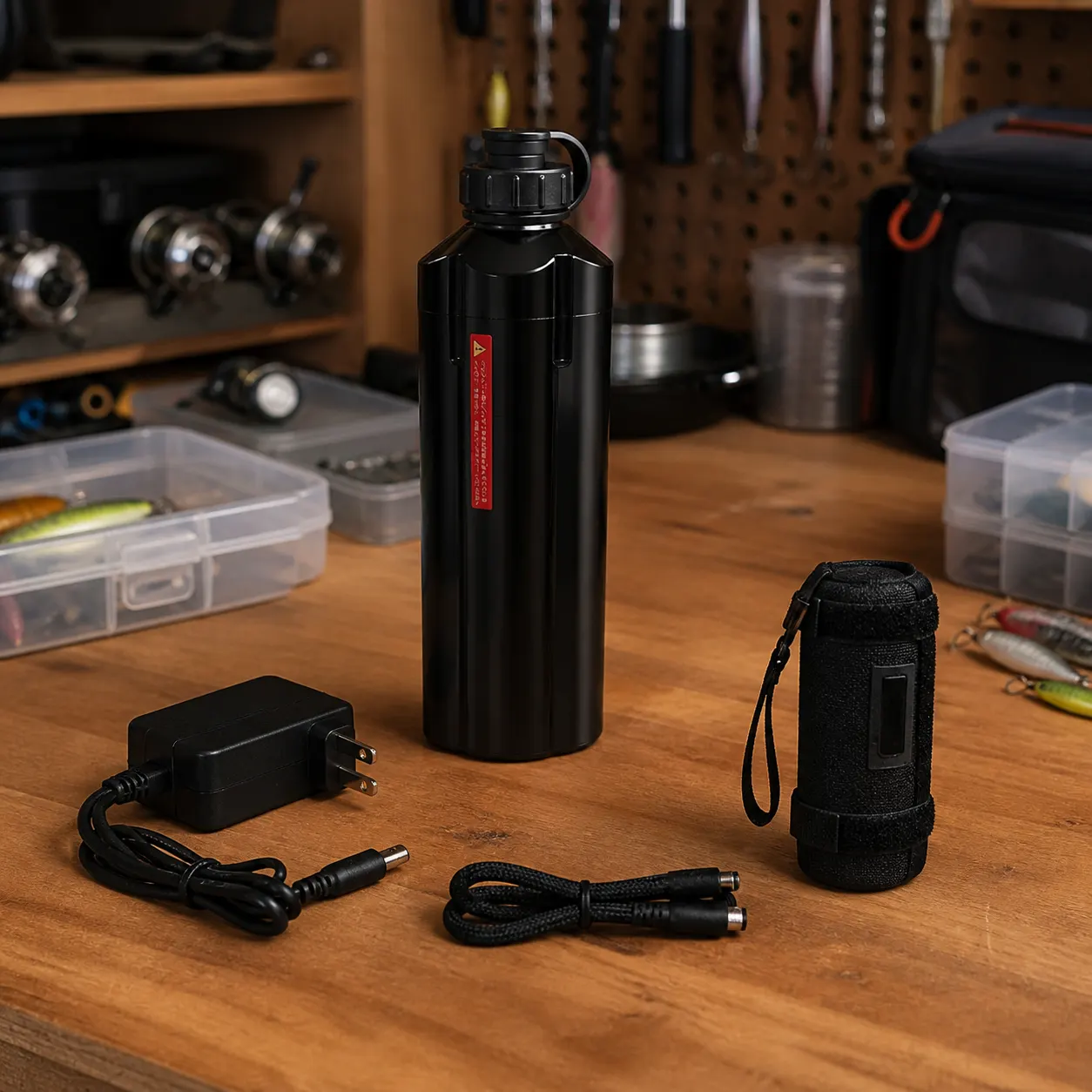
A 14.8v fishing reel battery is worth considering when your compatible electric reel is intended for that voltage class and you want a compact kit instead of relying on improvised boat power. The documented kit here is a 14.8V 10000mAh Li-ion fishing-reel battery kit without a power display, supplied with a charger, a 40cm adapter cable and a cloth sleeve. Before buying, the practical decision is simple: confirm your reel accepts this voltage class, check whether the cable arrangement suits how you fish, and decide whether you are comfortable managing a no-display battery by charging before the trip and planning conservatively.
For a UK boat angler, the job is rarely abstract. You may be boarding before first light, setting up beside other anglers, and trying to keep your rod, tackle box, bait and waterproofs under control in limited space. A dedicated reel battery kit can reduce the guesswork compared with loose cables and shared sockets, but it still has to match the reel and the session. This article focuses on what the documented facts can support, and where you still need to check your own reel manual, trip length and preferred carrying position before relying on it offshore.
The boat-deck job this battery needs to solve
Picture a charter day out of Plymouth, fishing deeper marks where repeated drops and retrievals can make manual winding tiring. In that setting, the battery is part of your working setup, not a gadget sitting neatly on a bench. It needs to be charged, close enough to connect, protected from rough handling in your tackle area, and simple enough that you are not rebuilding your wiring while the skipper is moving you onto fish. The listed kit contents help because charger, adapter cable and sleeve are part of the same package rather than separate decisions.
The strongest case for this type of kit is convenience and setup clarity. A 10000mAh Li-ion pack is much easier to think about as a reel battery than a heavy leisure battery or a borrowed boat outlet, but the smaller form does not remove the need for planning. You should still think about depth, how often you retrieve, whether you check bait repeatedly, and whether the day is important enough to justify a backup power option. No responsible guide can turn a capacity number into a guaranteed runtime without your reel, load and fishing pattern.
Compatibility checks against the documented facts
Start with voltage. The product is documented as a 14.8V battery kit for fishing-reel battery use, so the first check is whether your electric reel is meant to work with a 14.8V class supply. Do not treat physical connection as proof of compatibility. Imported reels, older reels and different brand families may have different expectations, and the only reliable place to settle that is your reel documentation or the seller guidance for the reel itself. If you are searching around Daiwa or Shimano-style electric reel setups, use that as a search clue, not as automatic confirmation.
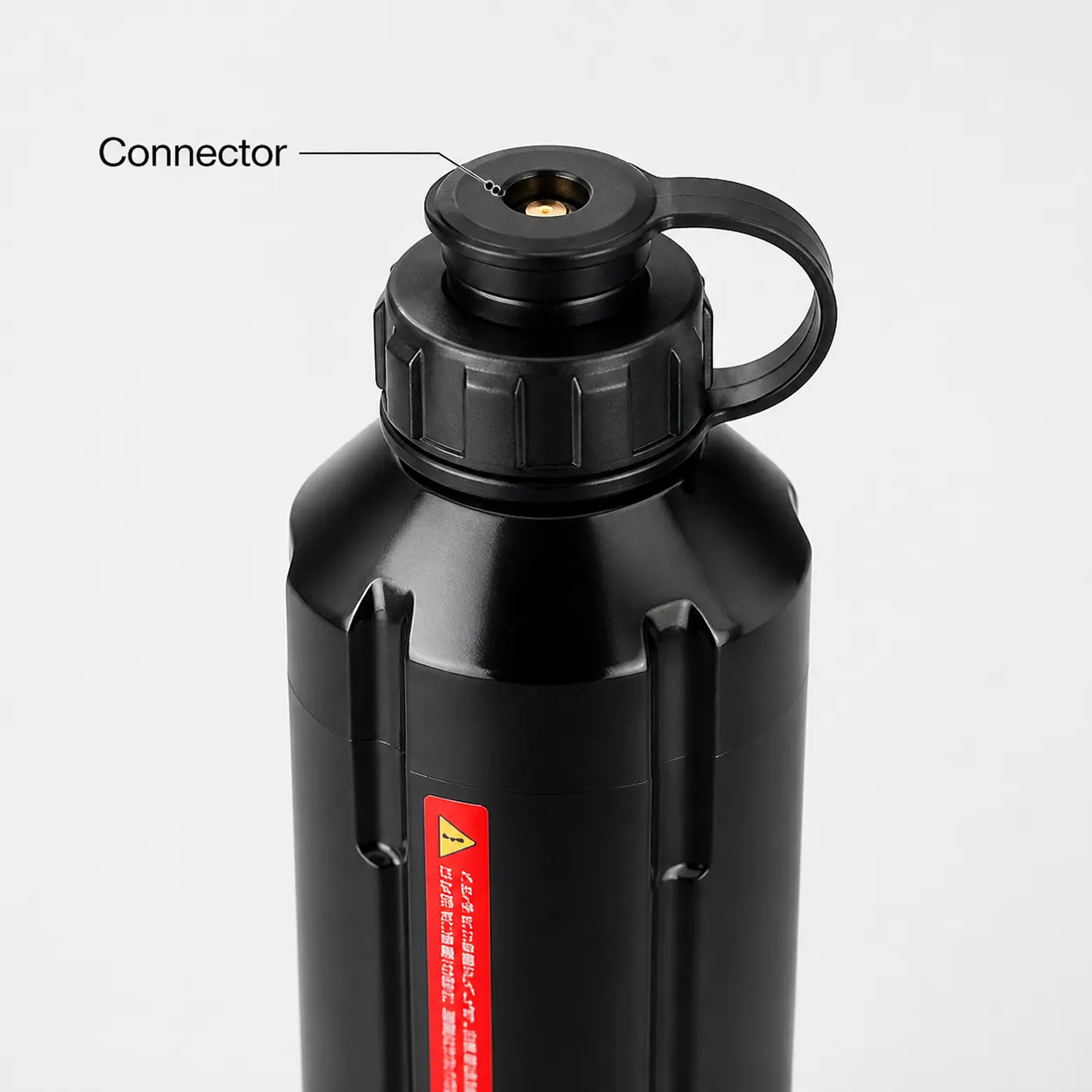
Next, check the connection and layout. The selected kit includes a 40cm adapter cable, which may suit a short, tidy setup near the rod, belt, bag or tackle tray, but it may not suit anglers who want the battery much farther away. Measure the real distance on your own setup before deciding. Sit or stand as you would on the boat, hold the rod where you normally fish, and note where the battery would rest without pulling the cable tight or leaving it where people step. Cable fit is not just a technical detail; on a crowded deck it affects comfort and confidence.
What the no-display design changes on a charter day
This selected kit has no power display. That is not automatically a problem, but it changes the habits you need around it. With no screen to glance at, you should start with a full charge, avoid making casual assumptions about remaining power, and treat a critical full-day charter differently from a short trial session. For a newer electric reel user, a display can feel reassuring because it gives visible feedback. Without one, your confidence comes from preparation: charging in advance, checking the cable and charger are packed, and matching the battery to a realistic session plan.
A no-display battery may appeal if you prefer a simpler kit and do not want another screen to manage on deck, but it is a poor fit for anyone who wants live state-of-charge information before every drop. If battery anxiety would distract you, or if you regularly fish long deep-water sessions where power planning is central to the day, consider whether a display version or a backup arrangement would be more comfortable. The point is not that no-display is worse; it is that the buyer must be honest about how they make decisions when the boat is already offshore.
A practical pre-trip checklist for the packing bench
Use this working checklist at a real packing bench, not while standing on the pontoon. Confirm the reel is intended for a 14.8V class battery. Confirm the kit you are considering is the no-display 14.8V 10000mAh Li-ion fishing reel battery kit, not a charger-only listing, fish-finder battery or phone power bank. Check that the charger is included. Check that the 40cm adapter cable suits the distance between your reel and intended battery position. Check that the cloth sleeve gives you a practical way to keep the battery together with its cable in your tackle bag.
Then run a short setup rehearsal. Charge the battery before the trip. Place the reel, battery, cable and sleeve as you expect to use them on the boat. Look for tight bends, awkward pulling, or a battery position that would get kicked or crushed. Decide where the charger goes after charging so it is not left behind if you are staying away from home before the charter. If the trip is paid, long, or important, decide your backup plan before ordering or travelling. That might mean an additional compatible power option or a clear agreement about available boat power, but do not leave it to guesswork.
Who should hesitate before buying this kit
Do not buy this battery simply because the voltage number looks close to something you have seen online. If your reel manual asks for another voltage, a different connector arrangement, or a manufacturer-specific power setup, resolve that first. The documented facts support fishing-reel battery use and a listed BMS protection claim, but they do not prove compatibility with every electric reel. They also do not support waterproofing claims, guaranteed runtime, medical comfort claims, or promises that it will replace every heavier battery setup for every angler.
This kit may also be the wrong choice if you need a longer cable route around a large boat space, want a battery stored well away from the rod, or strongly prefer a display for remaining charge. The included 40cm adapter cable is a concrete fact, so treat that length as a design constraint. If you fish in a way that needs more distance, do not assume you can solve it later with improvised extensions. Likewise, if your deck confidence depends on seeing charge status, the no-display version asks you to plan more carefully than a screen-equipped alternative.
How to compare it with improvised boat power
The comparison is not about claiming one setup is always superior. A boat battery or outlet may work for some anglers when the vessel is set up for it and the reel requirements are known. The tradeoff is that shared power can tie you to a position, involve longer leads, or add uncertainty if you are relying on equipment that is not yours. A compact reel battery kit puts more of the setup under your control, provided the voltage and cable fit are right. For anglers who move around a charter deck, that control can be the main attraction.
Against improvised clips, long cords or borrowed sockets, the documented kit gives you a defined package: 14.8V 10000mAh Li-ion battery, charger, 40cm adapter cable and cloth sleeve. That makes the buying decision easier to inspect. You are not piecing together a battery, charger and lead from separate searches. The limit is that a neat kit still cannot answer reel-specific compatibility for you. Treat the kit as a cleaner route for the right reel, not as a universal fix for every electric fishing problem.
The grounded next step before ordering
Before ordering, write down three details from your own setup: your reel’s required voltage class, the connector or lead arrangement it expects, and where you want the battery to sit while fishing. Compare those notes with the documented product facts: 14.8V, 10000mAh, Li-ion, no power display, charger included, 40cm adapter cable included, cloth sleeve included, and fishing-reel battery use listed. If any of those points creates uncertainty, settle that question before purchase rather than hoping it will be fine on the morning of the trip.
If the facts line up with your reel and your deck layout, the next sensible move is to treat the battery as part of your trip routine. Charge it before leaving, pack the adapter cable with the battery, keep the sleeve with the kit, and plan conservatively for important sessions. For eligible United Kingdom orders, the supplied commerce information states Free UK Delivery, VAT included, processing in 1–3 business days, delivery in 2–4 business days after dispatch, and a 30-day return window. Use those details for timing, but make the technical decision from compatibility and setup fit first.